Laser Tattoo Removal for Blowouts: Your Path to Clear Skin
Published on: January 9, 2026 | Last Updated: January 9, 2026
Written By: Ashita no Joe
Watching a crisp tattoo line turn into a blurry, spreading shadow under your skin is a uniquely frustrating feeling. You trusted an artist with your vision, and now you’re left with a permanent smudge. I’ve seen this disappointment on countless clients’ faces, and I’ve felt it myself on a piece I got years ago.
This guide explains exactly how laser technology targets and breaks up that misplaced ink. You will learn the science behind the process, what realistic healing looks like, and how to find a technician you can trust. We will cover the step-by-step laser removal procedure and the critical aftercare needed for your best results.
What Is a Tattoo Blowout?
A tattoo blowout happens when tattoo ink spreads uncontrollably into the surrounding skin tissue. You will typically see a blurred, shadowy, or smudged effect around the lines of your tattoo, like a bruise that never fades. This blurring often appears just days or weeks after the initial tattoo heals.
- Visual Signs: Look for a smoky halo around lines, blurred edges, or ink that appears to have “bled” under the skin. The design loses its sharpness.
- Causes:
- Needle Depth: The artist drove the needle too deep, pushing ink into the fatty subcutaneous layer instead of the dermis.
- Artist Technique: An inexperienced or heavy-handed artist can cause this by using the wrong angle or inconsistent pressure.
- Skin Type: Thin or aging skin, or areas with loose skin like the inner bicep, are more prone to blowouts as they offer less resistance.
In a proper tattoo, the ink sits steadily within the dermis. During a blowout, the ink particles migrate below this stable layer into tissue that cannot hold them in place. Think of it like spilling ink on a paper towel; it wicks outward and creates a fuzzy, undefined mess under your skin.
How Laser Removal Works on Blowouts
Laser removal is the most effective method for correcting a tattoo blowout. This is a noninvasive tattoo removal technique, chosen for its precision and minimal downtime. The laser emits extremely short pulses of high-energy light that pass harmlessly through your skin to shatter the unwanted ink particles. Your body’s immune system then naturally flushes these tiny fragments away over several weeks.
- Laser Energy Targeting Pigment: The laser light is attracted to the specific color of the tattoo pigment. When the light hits an ink particle, it creates a shockwave that breaks it apart.
- Laser Type Comparison:
- Q-switched Nd:YAG: The industry workhorse. Excellent for treating deeper blowouts and works on a wide range of colors, especially black.
- Pico-second Lasers: Newer technology that uses trillionth-of-a-second pulses. I find it can be more effective on stubborn pigments and may cause less thermal damage to the surrounding skin.
- Fractional Lasers: These create microscopic channels in the skin to help remove ink. They are less commonly the primary choice for a standard blowout but can be used in combination with other lasers.
The clearance mechanism for blown-out ink is the same as for a normal tattoo, but the location of the ink makes the process uniquely challenging. Because the ink has settled in looser, deeper tissue, it can sometimes be more dispersed, requiring targeted laser settings to effectively reach and fragment it.
Laser Types for Different Pigment Depths
Choosing the right laser is not a one-size-fits-all decision. We match the laser’s wavelength and power to the specific color of your ink and how deep it has traveled. A deep, dark blue blowout requires a different approach than a shallow black one.
- Matching Laser to Ink and Severity: For a severe blowout with ink deep in the subcutaneous layer, a longer wavelength laser like the Nd:YAG is necessary to penetrate that far. Lighter colors like blue or green often respond better to specific wavelengths available on pico-second lasers.
- Skin Type Influence: Your natural skin tone dramatically influences laser choice. Darker skin tones have more melanin, which can compete with the ink for the laser’s energy, increasing the risk of hypopigmentation. For these clients, we almost exclusively use Nd:YAG lasers with carefully calibrated settings to protect the skin while attacking the ink.
Evaluating Your Blowout for Laser Treatment
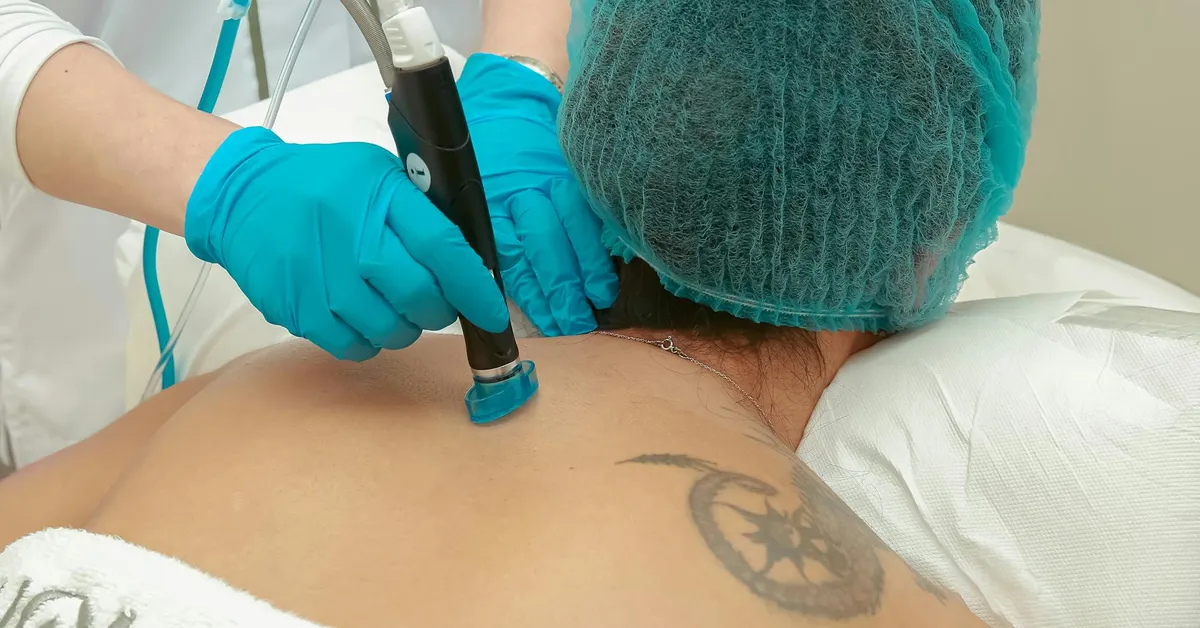
Before any laser fires, a proper evaluation is your most critical step. I always tell my clients that a successful outcome depends more on this initial assessment than on the laser itself. For many people, the big question is how many sessions you may need. In my detailed guide, I walk you through the factors that influence the total number of sessions and what to expect.
Steps for Professional Consultation and Skin Assessment
You need a professional to examine the tattoo under bright, magnified light. They are looking for more than just the visible blur. They will palpate the skin to feel how deep the ink has migrated and assess your overall skin type and tone. This hands-on assessment reveals the true extent of the ink dispersion beneath the surface.
Factors: Tattoo Age, Pigment Depth, Location
- Tattoo Age: Older, settled ink can sometimes be more predictable to treat than a fresh blowout where inflammation is still present.
- Pigment Depth: This is the main event. Ink that has only drifted superficially responds much better than ink that has sunk deep into the fatty layer.
- Location: Thin-skinned areas like wrists and ankles are prone to severe blowouts and can be more challenging. I find blowouts on the forearm or calf often yield the cleanest results.
Checklist for Determining Candidacy
- The blurred ink is primarily black or another dark color.
- You have realistic expectations about fading versus complete eradication.
- Your skin is healthy with no active infection or rash in the area.
- You are not prone to keloid scarring.
- The ink has not migrated to a depth that makes it unsafe to target.
If you check all these boxes, you are likely a good candidate for laser correction.
The Laser Removal Procedure Step-by-Step
Knowing what to expect demystifies the process and reduces anxiety. Here is how a typical session unfolds from my chair.
-
Pre-treatment Preparation and Anesthesia Options
Arrive with clean, product-free skin. We shave the area if necessary. For most small-to-medium blowouts, a strong topical numbing cream applied 30-60 minutes beforehand is sufficient. For larger areas or lower pain tolerance, we might discuss injectable local anesthesia.
-
Setting Laser Parameters Based on Evaluation
I program the laser based on our initial assessment. The wavelength, spot size, and pulse duration are all customized. This is not a one-setting-fits-all process; it is a precise calibration for your specific skin and ink situation.
-
What Happens During the Laser Session
You will wear protective eyewear. I place the laser handpiece against your skin. You will hear a loud snap and feel a sensation like hot bacon grease splattering. The laser light passes through your skin and is absorbed by the ink particles, shattering them into tiny fragments.
-
Immediate Post-Procedure Sensations
The area will feel warm and swollen, similar to a bad sunburn. We apply a cold pack immediately. You might see whitening of the skin with some pinpoint bleeding; this is a normal immediate reaction called frosting.
Timeline and Session Expectations
Managing expectations around time is just as important as managing the procedure itself. Patience is not just a virtue here; it is a requirement.
Typical Number of Sessions for Blowout Correction
A minor blur might lighten significantly in 2-3 sessions. A more pronounced blowout often requires 4-6 sessions. I have worked on severe cases that needed 8 or more treatments to achieve the client’s desired level of clearance.
Healing Time Between Appointments
Your body needs time to clear the fragmented ink. The absolute minimum wait is 6-8 weeks. I strongly recommend 10-12 weeks between sessions. Giving your lymphatic system this extra time is the single biggest factor in speeding up your overall results.
Realistic Before and After Results Timeline
- After Session 1: You will see initial lightening. The blur may look more muted.
- After Session 2-3: The blown-out area should be noticeably softer and less defined.
- After Session 4+: Significant fading occurs. The goal is to blend the blowout back into your natural skin tone.
From your first consultation to your final result, correcting a tattoo blowout with laser is typically a 9 to 18-month journey. If you’re looking for guidance, check our guide to finding reputable laser tattoo removal clinics near you. It can help you compare options and choose a trusted provider.
Risks and How to Minimize Scarring
Laser removal is powerful, but it’s not without potential side effects. Your skin’s response to the laser energy dictates the final outcome, and sometimes that includes unwanted texture changes or lightened patches known as hypopigmentation. These risks are higher on areas with thinner skin, like the wrist or ankle, where the original blowout occurred. To mitigate these risks, laser safety protocols in tattoo removal clinics are strictly followed, including calibrated equipment and protective eyewear. Pre-treatment patch tests and thorough skin assessments help tailor settings and reduce adverse effects.
- Hypopigmentation: The laser can temporarily or permanently affect melanin production, leaving the treated skin lighter than your natural tone.
- Texture Changes: The skin’s surface can become slightly raised or indented, a subtle but permanent reminder of the process.
To dramatically reduce your risk of permanent scarring, your aftercare protocol is non-negotiable. I treat the healing skin like a fresh, delicate tattoo, keeping it clean and protected from any friction or sun exposure. Never pick at the scabs that form; let them flake off naturally to avoid pulling pigment from deeper layers and creating pits. It’s especially important to be cautious when undergoing tattoo removal on sensitive skin.
The single most critical factor in preventing complications is your choice of practitioner. An experienced technician or dermatologist understands how to adjust laser settings for your specific skin tone and the blowout’s depth, which is something I had to learn the hard way on one of my own tattoos. They use their expertise to deliver enough energy to shatter the stray ink without overheating and damaging the surrounding skin tissue.
Aftercare for Blowout Laser Removal
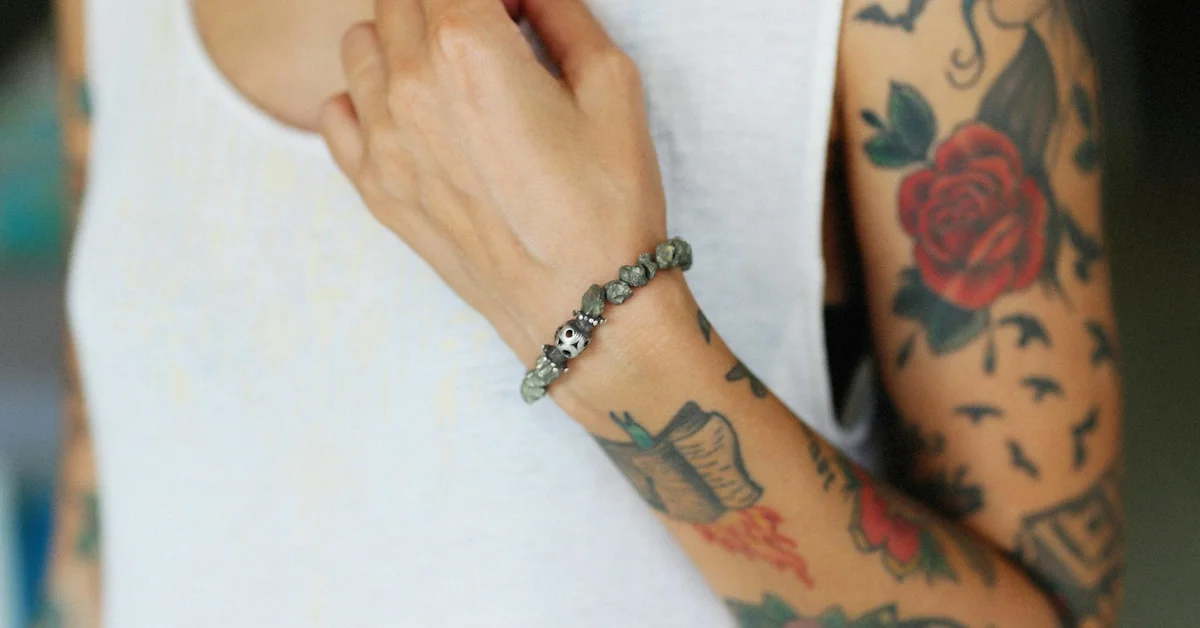
Proper aftercare is what separates a clean result from a complicated one. How you treat your skin in the hours, days, and weeks following a session directly impacts your healing and final skin texture.
- Immediate Postcare (First 48 Hours): Gently clean the area with a mild, fragrance-free soap and pat it dry. Apply a thin layer of recommended ointment to keep it moisturized. Use an ice pack wrapped in a cloth to manage swelling and soothe the burning sensation. This initial cooling phase is crucial for reducing inflammation that can lead to longer-term issues.
- Long-Term Healing (The Following Weeks): Once the surface has healed, your new job is sun protection. I tell my clients the treated area must be shielded from the sun with high-SPF sunscreen or clothing for at least three months. UV exposure on healing skin is a direct path to hyperpigmentation and can undo the progress you’ve made. Avoid activities that cause excessive sweating or chafing on the area.
- Signs of Proper Healing vs. Complications: Normal healing involves redness, slight swelling, and the formation of a dark crust that eventually flakes off. Watch for signs of infection: escalating pain, pus, or expanding redness. A little itching is normal, but a hot, throbbing sensation is a red flag that requires immediate professional attention.
Cost Factors and Choosing a Clinic
The price for fixing a tattoo blowout with laser isn’t a single number. Several key variables converge to determine your final investment, with the size of the affected area being the most significant driver. A small, localized blowout will naturally cost far less than a larger, more diffuse one. For a practical breakdown of expected costs, see our laser tattoo removal cost guide. It highlights how area size, session count, and equipment influence the final price.
- Size and Severity: A larger surface area or a deeper blowout requires more time and laser passes per session.
- Number of Sessions: Blowouts often need fewer sessions than a full tattoo removal, but the number depends on ink density and your body’s clearance rate.
- Laser Type and Technology: Modern, high-quality picosecond lasers are typically more expensive per session but can achieve better results in fewer treatments.
- Clinic Location and Expertise: A reputable clinic in a major metropolitan area with a certified specialist will command higher prices for their expertise.
Selecting a clinic should feel like hiring a specialist, not booking a simple appointment. Look for a practice that specializes in removal, not a spa that offers it as a side service. Verify their credentials and ask to see before-and-after photos of blowout cases specifically.
Walk into your consultation armed with direct questions. This is your chance to gauge their competence and comfort level with your specific situation. Ask: “What type of laser will you use on my skin tone?” and “How many blowout cases have you treated?” and “What is your specific protocol for minimizing hypopigmentation risk?” A qualified professional will answer these clearly and confidently, without hesitation. These questions are essential when choosing a tattoo removal clinic. They help you compare options and ensure you’re asking the right questions.
Frequently Asked Questions
Can laser treatment fully erase a tattoo blowout?
Laser treatment can significantly fade a tattoo blowout, making it much less visible, but complete eradication depends on factors like ink depth and skin type. In many cases, the goal is to blend the blurred ink back into the surrounding skin for a natural appearance rather than achieving total removal.
How does skin tone affect laser correction for blowouts?
Skin tone plays a crucial role in laser correction, as darker skin with more melanin can absorb excess laser energy, increasing the risk of hypopigmentation. However, using appropriate lasers like Nd:YAG with customized settings by an experienced technician ensures safer and more effective treatment for various skin tones.
What is the expected healing time between laser sessions for a blowout?
The healing time between laser sessions is typically 6 to 12 weeks, allowing your body’s immune system to clear the fragmented ink particles. Extending this period to 10-12 weeks can enhance results and minimize complications by giving your skin adequate time to recover.
Until Next Time
Laser removal stands as the definitive method for correcting a tattoo blowout, precisely targeting the stray ink that has migrated under your skin. This tattoo removal process is explained step by step. We’ll walk you through what happens at each session and what to expect during recovery. This process requires patience and multiple sessions, but it reliably clears the blurred lines and restores the clarity of your skin’s appearance.
My final piece of advice is to always consult a certified professional for this work; the tools and techniques needed are far beyond any safe at-home solution. Trust an expert in my field to handle your skin, and you can confidently move past an unwanted tattoo mistake. DIY tattoo removal at home can cause burns, infections, scarring, and pigment changes. A professional can help prevent these outcomes and guide you toward the safest, most effective option.
Further Reading & Sources
Ink Fade Lab is your trusted source for tattoo removal insights, combining expert knowledge with compassionate care to help you make informed decisions about your tattoo journey. Based on years of experience in the tattoo removal industry, we are dedicated to providing accurate, up-to-date information to support your choices.
Laser Tattoo Removal