
Your Body’s Hidden War: How Your Immune System Fades Tattoos
Have you ever wondered why an old tattoo looks a little fuzzy or faded over time? That blurring isn’t a flaw in the artist’s work; it’s the quiet, constant work of your body’s internal defense network.
This guide will demystify the biological process that makes tattoo removal possible. I’ll explain how your immune system targets ink, detail the science behind laser removal, and show you how to support your body’s natural healing for the best results.
Your Body’s Natural Ink Clearance System
Your immune system operates like a highly trained security force constantly patrolling your body. The moment tattoo needles drive pigment into your dermis, this security team identifies the ink as an unwelcome intruder. I’ve watched this process firsthand through my own skin and my clients’. The body doesn’t recognize these synthetic particles as “art”-it sees them as a threat that must be contained.
This biological response begins immediately during the tattooing process itself. Your body’s initial reaction is one of controlled panic, sending immune cells to the site to assess the damage and contain the foreign material. The ink particles are just the right size to trigger your most fundamental defense mechanism: phagocytosis, which is the cellular equivalent of eating. Your immune cells literally try to consume and digest the pigment to neutralize the perceived threat.
The complete clearance timeline unfolds over years, even decades:
- Immediate Response (First 24 hours): Inflammation, swelling, and immune cell recruitment to tattoo site
- Containment Phase (Weeks to months): Macrophages engulf and attempt to digest ink particles
- Long-Term Storage (Years): Engulfed ink remains trapped within immune cells in the dermis
- Natural Fading (Decades): Gradual breakdown and lymphatic removal of smaller pigment fragments
- Laser-Assisted Clearance (Months): Targeted treatment breaks ink into manageable pieces for immune disposal
The Cellular Cleanup Crew: Meet Your Immune Cells
Several specialized cell types coordinate to manage tattoo pigment. Think of macrophages as the cleanup crew foremen-they’re the first responders that attempt to swallow and contain the ink particles. In my experience observing healing tattoos, these cells determine whether ink stays visible for years or gets processed for removal. When they succeed in engulfing pigment, they become walking tattoo galleries within your skin.
The phagocytosis process follows a precise cellular routine:
- Macrophages detect foreign ink particles through chemical signals
- Cell membranes extend and wrap around pigment clusters
- Engulfed particles become enclosed in internal compartments called phagosomes
- Enzymes attempt to break down the pigment within these compartments
- Undigested remnants remain stored within the cell
Different immune cells play distinct roles in this ongoing process. Neutrophils arrive first as emergency responders, releasing enzymes that can break down some pigment while calling reinforcements to the area. Dendritic cells act as intelligence officers, presenting fragments of ink to other immune cells to educate them about the foreign material. Monocytes circulate in your blood as reserve forces, ready to transform into macrophages when needed at the tattoo site.
During laser removal treatments, we’re essentially hijacking this natural process. The laser light shatters larger ink particles into microscopic fragments that your immune system can finally process and eliminate. This is why multiple sessions are necessary-we’re working with your body’s natural clearance capacity, not against it. The lymphatic system then quietly transports these broken-down particles away from the skin, completing the removal process that nature began years earlier.
From Skin to Lymph: The Journey of Tattoo Ink
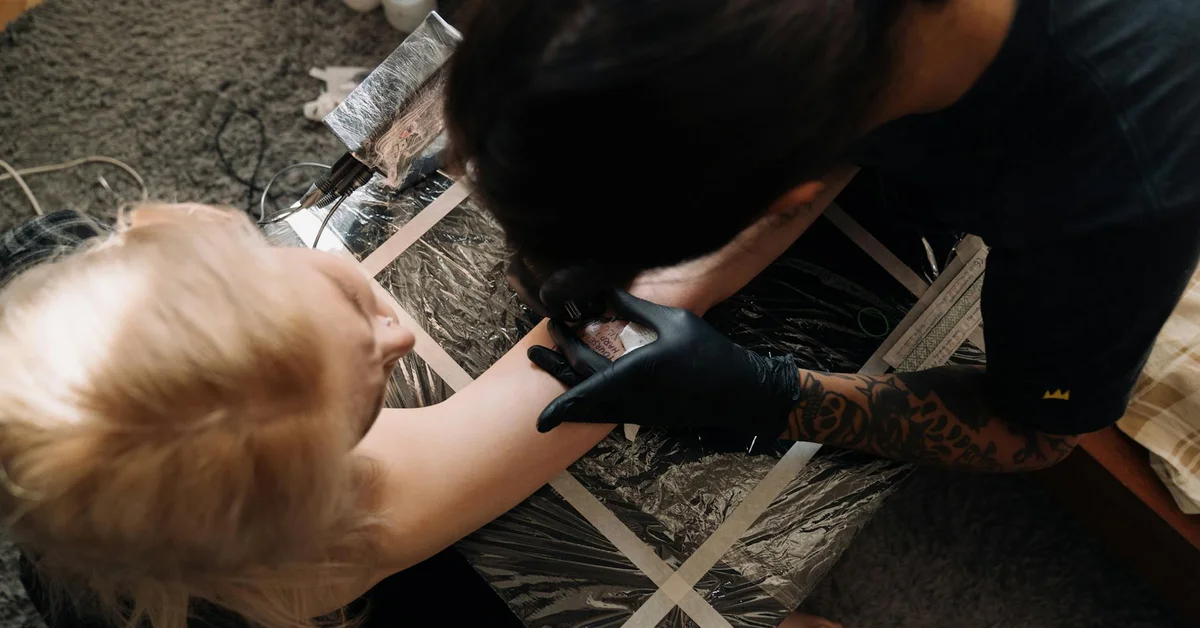
Your body treats tattoo ink as a foreign invader from day one. The laser doesn’t erase the ink; it breaks the ink into tiny fragments that your body’s internal cleanup crew can finally manage. I’ve watched this process unfold countless times on my own skin and my clients’. With the right laser and treatment plan, some tattoos can be 100 percent removed. But results vary by ink color, depth, and skin type.
The Pathway to Your Lymph Nodes
After a laser shatters the ink, the real journey begins. Here is the pathway those particles take:
- Laser energy targets the pigment, creating microscopic fractures.
- Your body recognizes these shattered ink particles as foreign debris.
- Immune cells called macrophages swarm the area to engulf the fragments.
- Some macrophages carry the ink directly to nearby lymph nodes.
- Other ink particles enter the lymphatic fluid and drain passively.
- The particles are filtered and stored within your lymph nodes.
Cytokines: The Messengers of Inflammation
Cytokines are the chemical signals your body uses to coordinate an attack. Think of cytokines as the alarm system that calls your immune cells to the site of the shattered ink. This inflammatory response is precisely what causes the swelling and redness you see after a laser session. It is a sign your internal defenses are active.
Biotransformation and Exocytosis
Your body has two primary methods for dealing with the captured ink. Biotransformation is the process where enzymes inside cells attempt to chemically break down the ink particles. Exocytosis is the cellular equivalent of taking out the trash. A macrophage can actually spit the ink back out into the extracellular space, hoping another cell might have better luck processing it. This back-and-forth is part of why removal takes multiple sessions.
How Laser Removal Supercharges Your Immune Response
Laser treatment is a catalyst. It transforms a static, trapped tattoo into a dynamic immune event. Each laser session is a controlled injury that deliberately provokes your immune system into action. I plan my clients’ sessions around this biological principle. That same principle guides laser hair removal, where precise energy prompts a targeted healing response in hair follicles. In both cases, the body’s natural repair processes help shape the final outcome.
Fragmentation for Clearance
The original ink particles are too large for your immune cells to consume. The laser acts like a microscopic hammer, pulverizing those large particles into smaller, digestible pieces. This fragmentation is the single most important step in making tattoo removal possible. Without it, the macrophages simply cannot do their job. This is the essential first phase of the tattoo removal process explained. Over time, the body’s cleanup system slowly removes the fragments after multiple sessions.
The Post-Laser Inflammatory Cascade
Immediately after the laser pulse, the area becomes inflamed. This is a good thing. Increased blood flow brings a fresh surge of white blood cells to the area. The blood vessels become more permeable, allowing these immune cells to easily exit the bloodstream and get to work in the skin.
Lysosomes: The Cellular Stomachs
Once a macrophage swallows an ink fragment, it encloses it in a vesicle. This vesicle then fuses with a lysosome. Lysosomes are acidic, enzyme-filled organelles that act as the cell’s stomach, aggressively trying to dissolve whatever is inside. Some organic inks break down well, but many synthetic pigments are highly resistant, which is why they simply get stored or moved.
Sessions and Systemic Activation
Spacing your laser appointments 6-8 weeks apart is not arbitrary. This window gives your body enough time to mount a full immune response and clear the maximum amount of fragmented ink. Coming back too soon interrupts this natural clearance cycle, while waiting too long lets the process stall. It is a carefully timed dance with your immune system.
Factors That Speed Up or Slow Down Ink Clearance
Your lifestyle directly influences how quickly your body processes tattoo ink. I always tell my clients that what they do between sessions is just as important as the laser treatment itself. I have seen drastic differences in removal speed based on simple daily habits. That’s where a credible tattoo removal guide matters: it outlines how lifestyle and aftercare impact efficacy and expected success rates. By following evidence-based steps, you can maximize removal speed and realistic outcomes.
Habits That Accelerate Removal
- Hydration: Drinking ample water improves lymph flow and cellular function.
- Quality Sleep: Your body performs critical repair and cleanup during deep sleep.
- Regular Exercise: Boosts circulation and lymphatic drainage.
- Balanced Nutrition: A diet rich in antioxidants and protein supports immune cell production.
Factors That Impair Immune Function
- Smoking: Nicotine constricts blood vessels, severely limiting blood flow and immune cell delivery.
- High Stress: Chronic stress elevates cortisol, a hormone that suppresses immune activity.
- Poor Diet: Diets high in sugar and processed foods can cause systemic inflammation and slow healing.
- Excessive Sun Exposure: UV radiation can damage the skin and immune cells within it.
The Impact of Age on Macrophages
Your immune system ages with you. Macrophages in older individuals often have reduced phagocytic efficiency, meaning they are slower to engulf and clear ink particles. This is a biological reality, not a judgment. A 20-year-old will typically see faster clearance than a 60-year-old, even with the same tattoo and laser protocol.
Ink Color and Body Location
Black ink absorbs all laser wavelengths, making it the easiest to target. Colors like green and blue are more challenging for both the laser and your immune system to process. Tattoos on areas with rich blood supply, like the torso, often fade faster than those on extremities like ankles and wrists. The closer you are to your core, the better your circulation and immune response tend to be.
When Your Immune System Fights Back: Scarring and Complications
Your body’s defense system can sometimes be its own worst enemy during tattoo removal. An overzealous immune response is the primary driver of permanent scarring, turning what should be a simple clearance process into a complicated repair job. I’ve treated clients where the laser session was perfect, but their body’s inflammatory reaction created more problems than the original tattoo. Some clinics also address post-removal pigmentation changes, using targeted wavelengths to help treat pigmentation issues and restore a more even skin tone as the ink fades. This is why pigment management is an important part of laser tattoo removal.
How Excessive Immune Response Leads to Scar Formation
Think of your immune cells as an overprotective security team. When laser treatment shatters ink particles, it sends a massive alert to your system. If too many white blood cells rush to the area simultaneously, they release enzymes and signaling molecules that damage healthy tissue along with the ink. This creates a wound that’s deeper than necessary, forcing your body to patch things up quickly with scar tissue rather than regenerating normal skin.
Collagen Remodeling During Healing
Your skin has a precise blueprint for collagen arrangement, but scars follow a different pattern. During proper healing, collagen fibers weave together in a basket-like formation, but scar tissue forms in thick, parallel bundles that lack flexibility. I’ve watched this process under microscopes – it’s like comparing a finely knit sweater to a pile of stacked ropes. The body prioritizes speed over quality when dealing with significant inflammation.
Antigen Presentation and Immune Memory
This is where tattoo persistence gets fascinating. Your dendritic cells constantly sample the chemical signature of tattoo pigments and present these “antigens” to other immune cells, creating a long-term surveillance system. This ongoing antigen presentation explains why your body never fully forgets the tattoo, even after decades. The immune system maintains a low-level awareness of those foreign particles. During laser removal, the body’s immune cells clear the fragmented pigment, helping the tattoo fade. So fading in tattoo removal is, in part, an immune-driven process that works alongside the laser’s physical action.
Fibroblast Activity in Removal and Scarring
Fibroblasts are the construction workers of your skin, and they respond directly to immune signals. In successful tattoo removal, fibroblasts help reorganize tissue gradually, but when overwhelmed by inflammation, they overproduce collagen in chaotic patterns. That permanence mainly comes from ink that sits in the dermis, where it isn’t shed away like surface skin. For more information on why tattoos are permanent, you can read about the science behind it here; laser removal then relies on fragmenting those particles so immune cells can gradually clear them, which is why multiple sessions are usually needed. I’ve observed that clients with slower, more methodical removal schedules experience significantly less fibroblast dysfunction and better skin texture outcomes.
Supporting Your Immune System During Tattoo Removal

Optimizing your body’s natural defenses can dramatically improve your removal experience and results. Think of your immune system as a precision tool that needs proper maintenance to function optimally during the demanding process of ink clearance. From my own experience removing a forearm piece, the difference between supporting versus neglecting my immune health was noticeable in both healing speed and final skin quality. That same attention to defense also helps with bruising after sessions. Simple post-care steps—keep the area cool, avoid trauma, and follow your practitioner’s aftercare—can prevent excess bruising and support quicker healing.
Practical Tips for Immune System Optimization
- Schedule removal sessions when you’re not fighting other illnesses
- Maintain consistent sleep patterns of 7-9 hours nightly
- Manage stress through meditation, walking, or breathing exercises
- Stay hydrated with water rather than sugary or caffeinated drinks
- Allow at least 8 weeks between sessions for proper immune reset
How Immune Response Modulation Affects Results
You’re essentially training your immune system to respond efficiently rather than aggressively. A well-modulated immune response clears ink particles systematically without the inflammatory overkill that damages surrounding tissue. Clients who follow pre- and post-care protocols consistently show less redness, reduced swelling, and better ink fragmentation between sessions.
The Role of Nutrition and Lifestyle
- Protein-rich foods provide amino acids for immune cell production
- Vitamin C from citrus and bell peppers supports collagen formation
- Zinc from nuts and legumes aids wound healing and cell division
- Omega-3 fatty acids from fish help regulate inflammation
- Avoiding alcohol and smoking prevents immune suppression
Safe Practices Versus Risky DIY Methods
I cannot stress this enough: your immune system deserves professional partnership, not amateur experiments. Professional laser treatment creates predictable, manageable immune responses, while DIY methods often trigger dangerous, uncontrolled reactions. I’ve treated clients who tried salt scrubs or chemical peels first – their immune systems were so overwhelmed that proper removal became exponentially more difficult. Trust me, your body’s defense system works best when given controlled, professional challenges rather than chaotic assaults from unproven methods.
Frequently Asked Questions
What is tattoo ink removal cream and how does it work?
Tattoo ink removal cream is a topical product that claims to fade tattoos by using chemical agents like TCA (trichloroacetic acid) to exfoliate the skin and break down surface ink particles. However, these creams are generally ineffective for deep dermal ink and can cause skin irritation or scarring, as they do not leverage the immune system’s natural clearance process like professional methods.
How to remove tattoo ink from clothes?
To remove tattoo ink from clothes, act quickly by dabbing the stain with rubbing alcohol or a specialized ink remover, then rinse with cold water and launder as usual. Avoid using heat, as it can set the stain, and always check the fabric care label to prevent damage during cleaning.
Where can I find tattoo ink removal near me?
You can find tattoo removal services by searching online for local dermatology clinics, medical spas, or specialized removal centers, and verify their credentials and reviews for safety. Consulting with a healthcare provider or using directories like the American Society for Dermatologic Surgery can help you locate reputable professionals in your area.
Wrapping Up
Your body’s natural defenses are the true heroes in the tattoo removal process, working tirelessly to break down and carry away ink particles. This cellular cleanup crew, led by your macrophages and lymphatic system, is what ultimately fades your tattoo over many sessions. The laser simply makes their job possible by shattering the ink into manageable pieces. Does it really work? Scientifically, lasers deliver brief, high-energy pulses at pigment-specific wavelengths to fragment ink, and the body’s immune system then clears the tiny pieces.
Respect this incredible biological process by choosing a qualified professional for your removal journey. A skilled technician uses laser technology to work in harmony with your immune system, not against it, ensuring a safer and more effective outcome. Tattoo removal is performed by trained dermatologists, technicians, or specialists who understand laser safety and your skin’s needs. Ask about the practitioner’s credentials and experience to ensure you’re in capable hands. Your skin and your health deserve that level of care.
Further Reading & Sources
Ink Fade Lab is your trusted source for tattoo removal insights, combining expert knowledge with compassionate care to help you make informed decisions about your tattoo journey. Based on years of experience in the tattoo removal industry, we are dedicated to providing accurate, up-to-date information to support your choices.
Healing Stages